

The work you type in again every week can run on its own
We connect the website, webshop, accounts, e-mail and calendar you already use, so information moves by itself instead of being copied by hand.
Automation we have set up
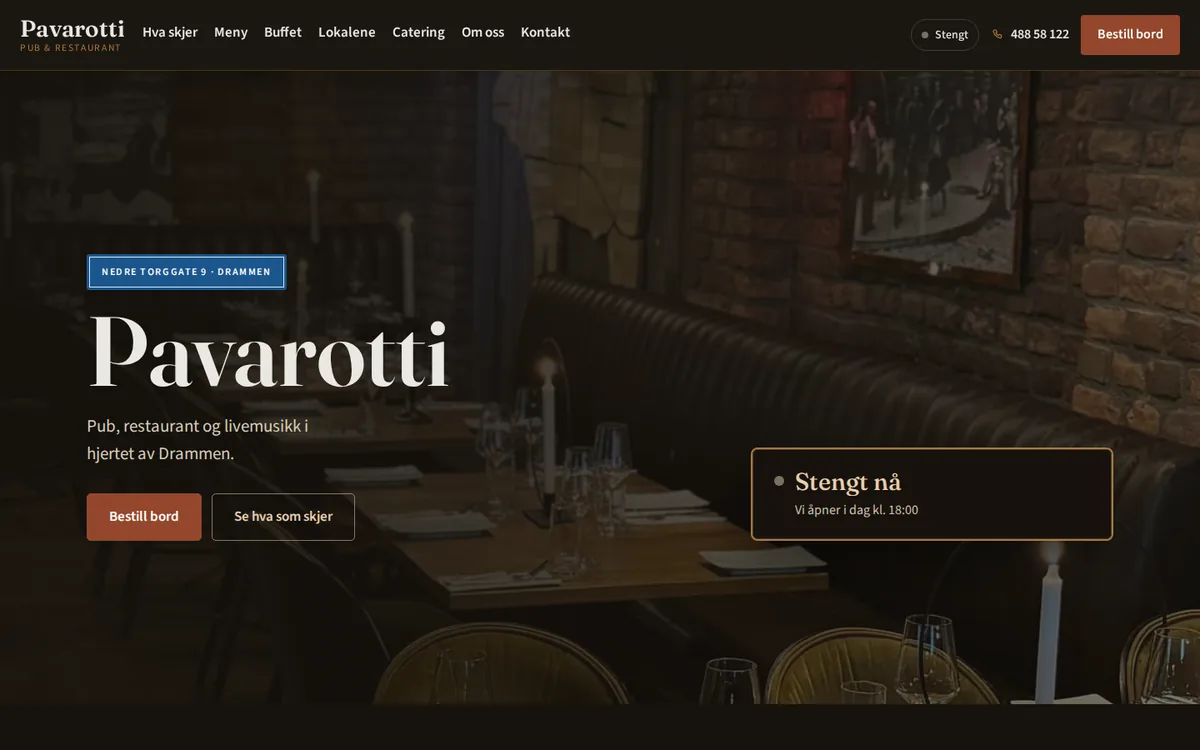
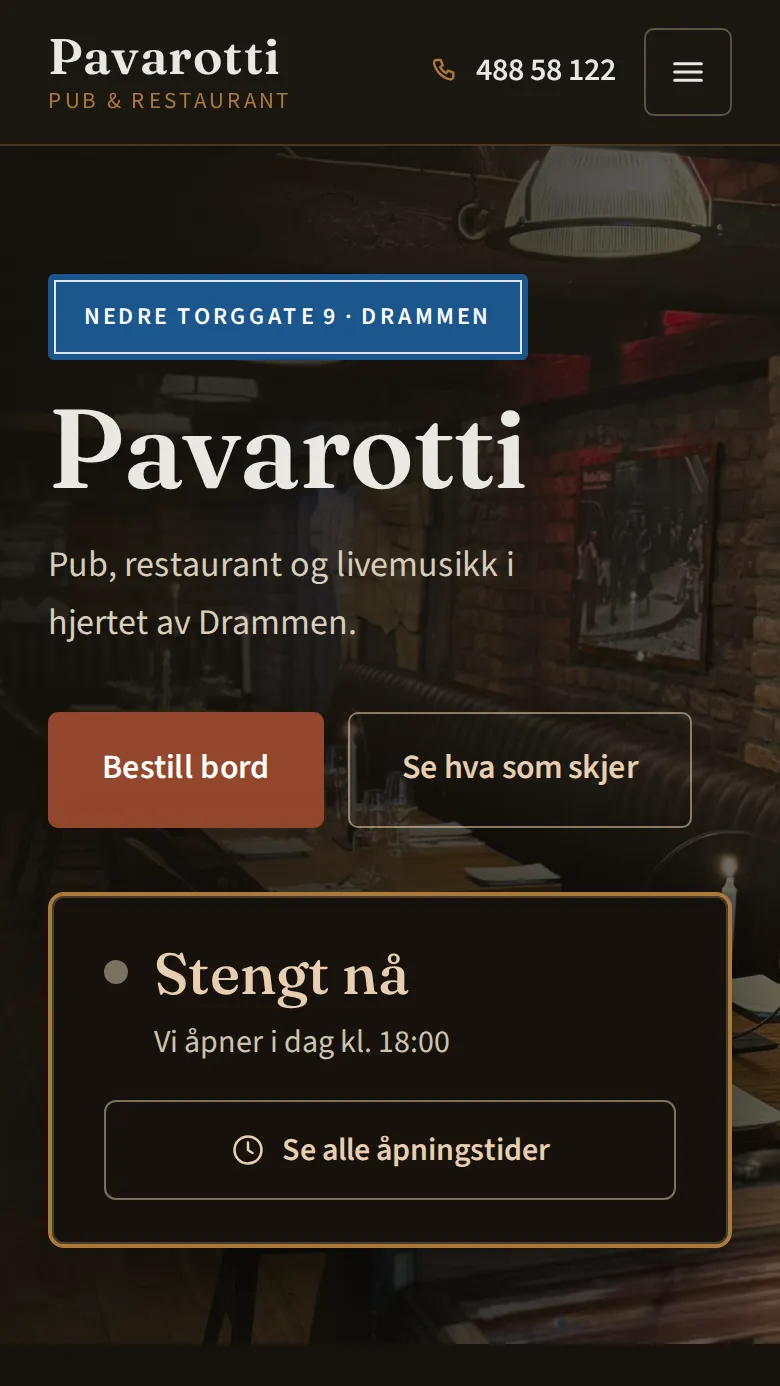
Pavarotti Pub
Buffet and Christmas-party booking that follows the kitchen’s hours — approved by staff before the guest is answered.
See the website of Pavarotti Pub (opens in a new tab)Read about the project Pavarotti Pub
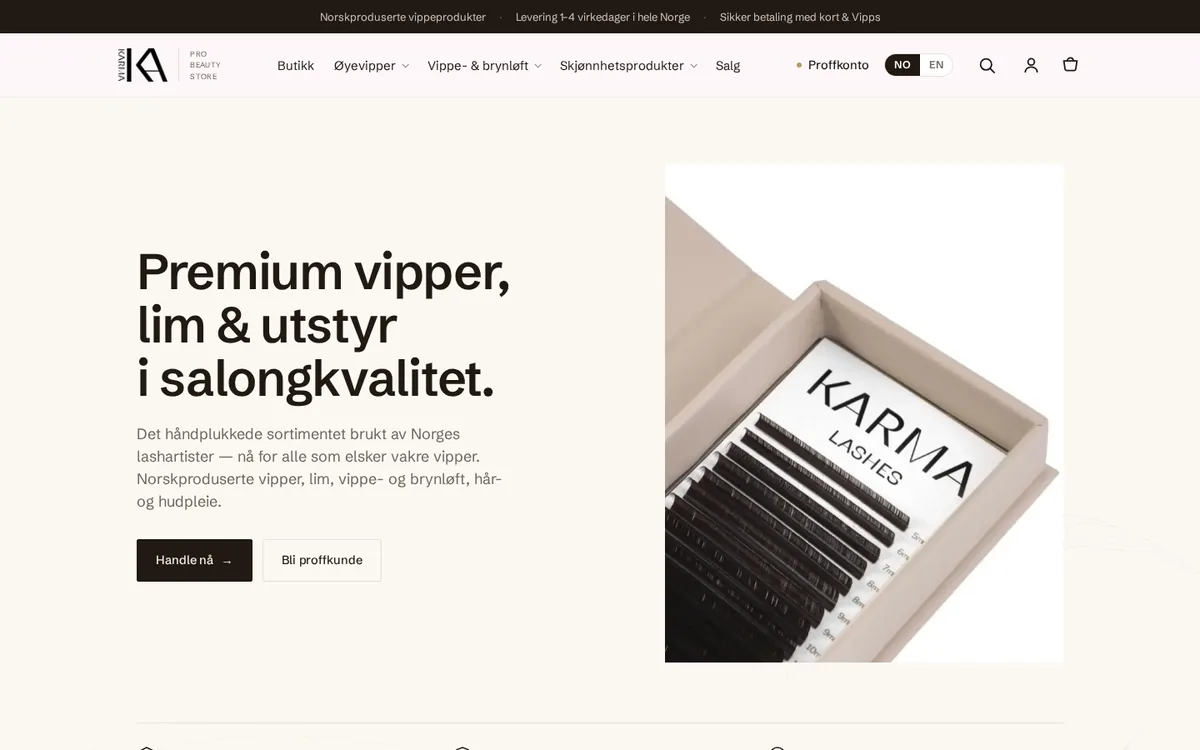
Karma Pro Beauty Store
Lash-extension webshop, for salons and private customers.
See the website of Karma Pro Beauty Store (opens in a new tab)Read about the project Karma Pro Beauty Store
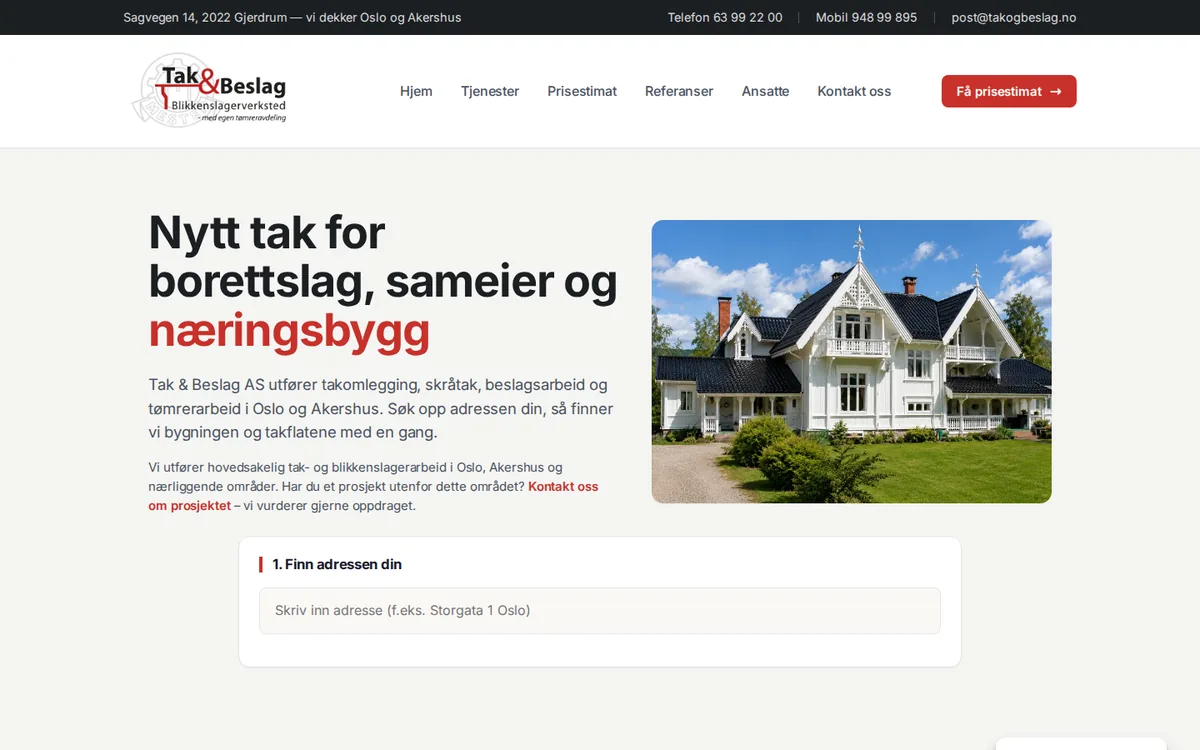
Tak & Beslag
A roof calculator that gives the customer a price estimate right on the page.
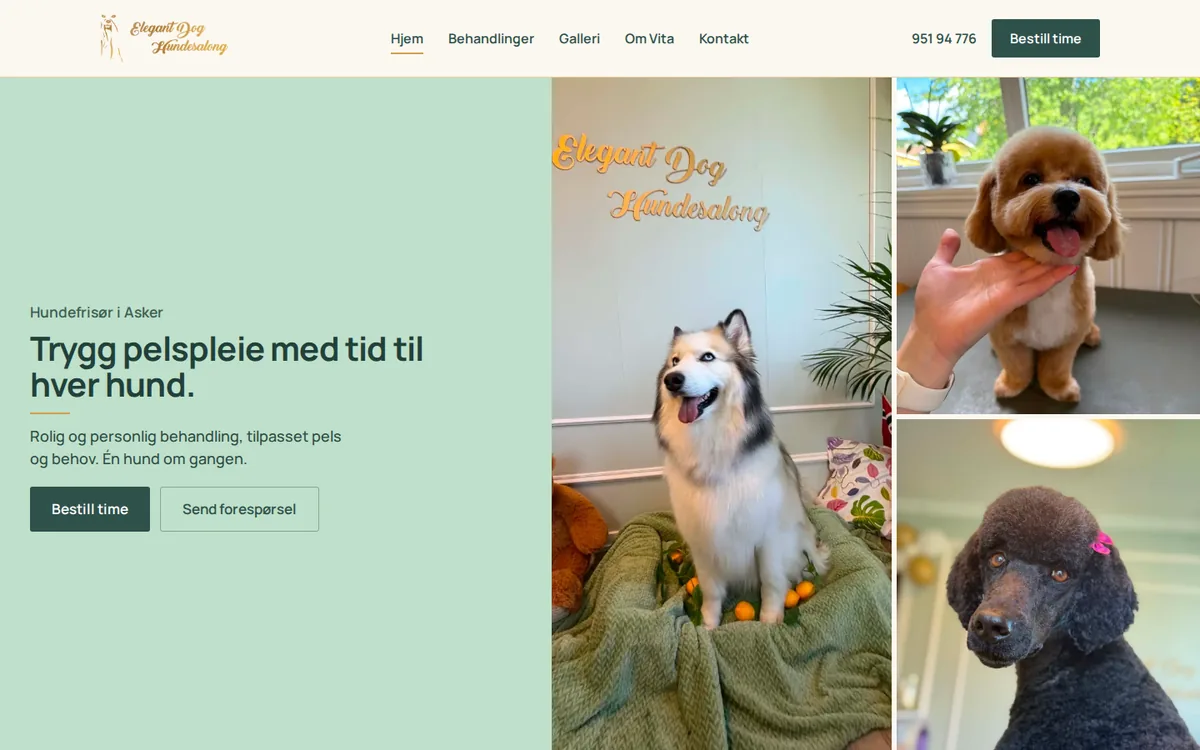
Elegant Dog
Dog groomer website in Asker with appointment booking.
Dr Car Care
Car-workshop website in Årnes with online booking and tyres and rims in stock.
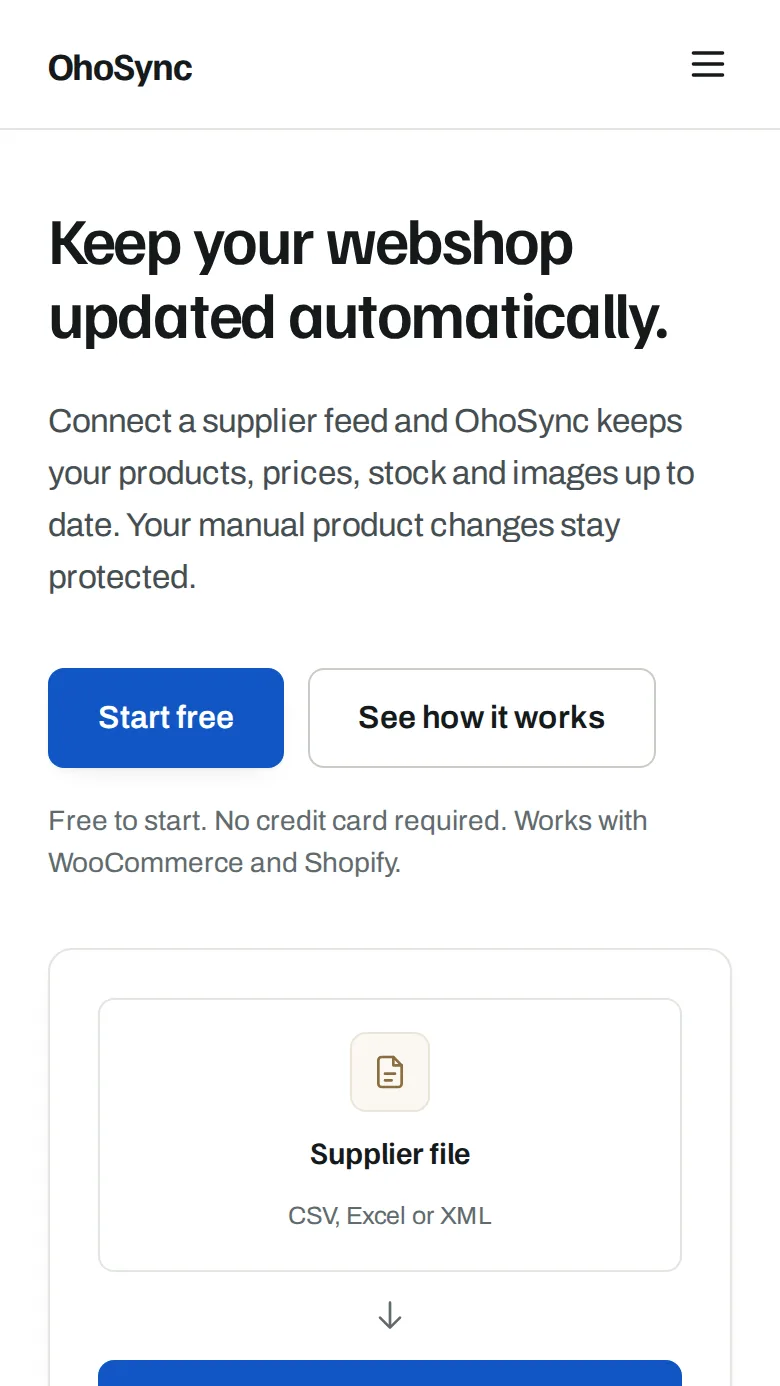
OhoSync
Our own service that keeps a webshop up to date from the supplier file — WooCommerce and Shopify.





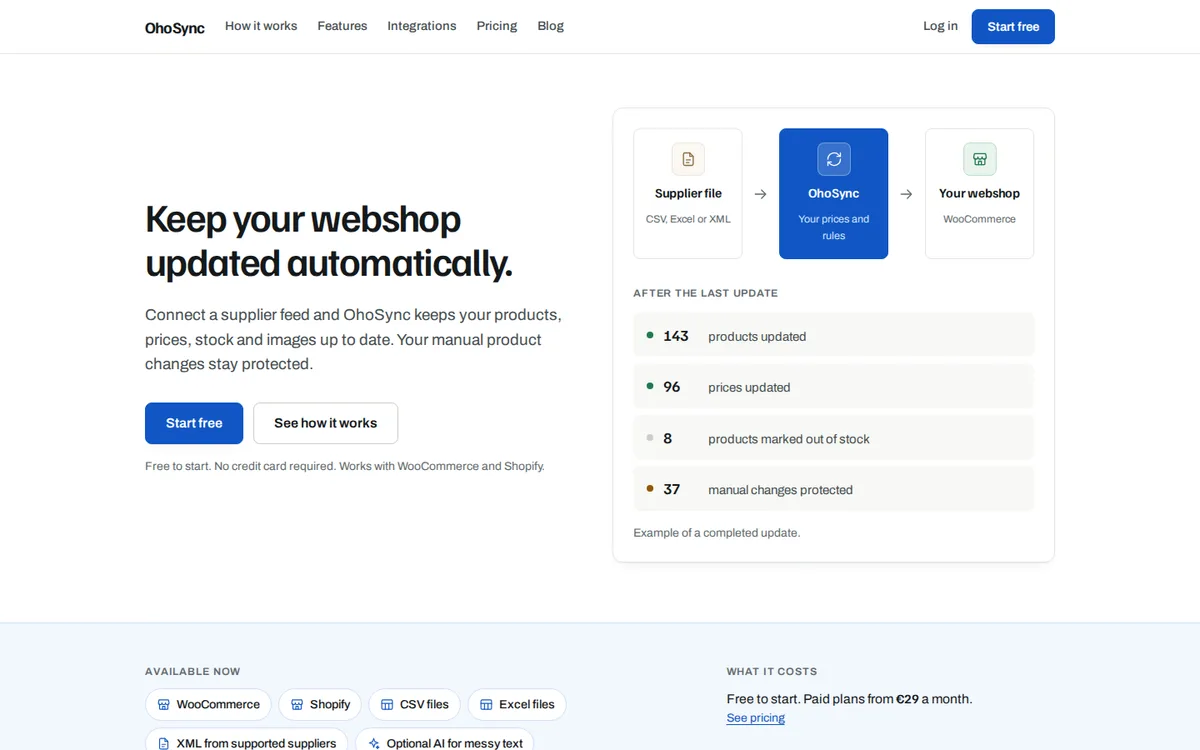
Example: stock that updates itself
The supplier changes a price or stock level
The changes are fetched automatically, without anyone on your side doing anything.
The website shows the right figures
The right price and stock are shown, and sold-out items do not show as available.
You get a message if something fails
If the connection stops, someone is told, instead of old figures being left standing.
What we do
Orders straight into the accounts
Sales from the webshop, the till or Vipps are recorded in Tripletex or Fiken with the right VAT, without anyone typing them in again.
Stock and prices from the supplier
Prices and stock levels are fetched automatically from the supplier, so the website shows what you actually have.
Enquiries and bookings in one place
Forms, e-mail and bookings are gathered in one place and go to the right person. Bookings are checked against the calendar and approved with one tap.
Routine e-mails send themselves
Confirmations, reminders and follow-ups on quotes go out automatically. Where it saves time, we also draft replies, always approved by a person.
Questions we often get
What can a small business automate?
Most things that are done the same way every time: orders to the accounts, confirmations, stock from the supplier and alerts when something is urgent. If someone does the same copy-and-paste job every week, it can probably run by itself.
Do we have to change systems to automate?
Almost never. We connect what you already use. Changing a system is a separate decision, not a requirement.
What happens when an automation fails?
It should tell you. We build in alerts, so a connection that stops sends a message instead of showing old figures for weeks.
Do you use AI?
Where it saves time and is safe, for example for drafts, sorting or summaries, always with a person who approves. Most of the gains still come from simple, predictable connections.
Do our invoices have to be sent electronically from 2027?
Yes, for invoices to other businesses that can receive electronic invoices, from 1 January 2027. A PDF by e-mail is then not enough. We make sure the webshop, the booking or the invoicing sends them the right way. Read what changes.
Can an AI assistant answer our customers automatically?
It can write drafts and answer simple, fixed questions such as opening hours and delivery. We recommend that a person approves answers about price, agreements and complaints. That way you get the speed without a machine promising something you do not stand behind.
Does a chatbot on the website help?
It helps when it answers the questions you actually get, and passes the rest on to a person. A chatbot that guesses at prices or promises things you do not do does more harm than good. We start with a list of the most common questions before anything is set up.
How do we connect the webshop to Tripletex or Fiken?
Either each order is recorded on its own, or sales are gathered per day. Which suits you depends on how many orders you have and how your accountant wants it. The most important thing is that VAT, fees, shipping and refunds end up in the right place. Try the integration chooser.
Can you connect our own systems directly to Tripletex or Fiken?
Yes, both Tripletex and Fiken have open connection points that other systems can use to send orders, customers and invoices automatically. Access must be switched on in the accounting system, and we check what your subscription gives access to before we start. The connection gets alerts, so you are told if it stops. Find out which connection suits you.
What is a system integration, and when does it pay off?
A system integration means that two programs exchange information by themselves, for example a new order in the webshop becoming an invoice in the accounts. It pays off when someone types the same information into two places every week, or when errors in the transfer cost time. If it only happens now and then, a simple routine is often enough, and then we say so.
What is done by hand today?
Describe the routine: what happens, in which systems and how often. You get a proposal for what can run by itself.